Trimming Trees Before Problems Start
Tree Trimming in Howell for overgrown limbs impacting rooflines and utility lines
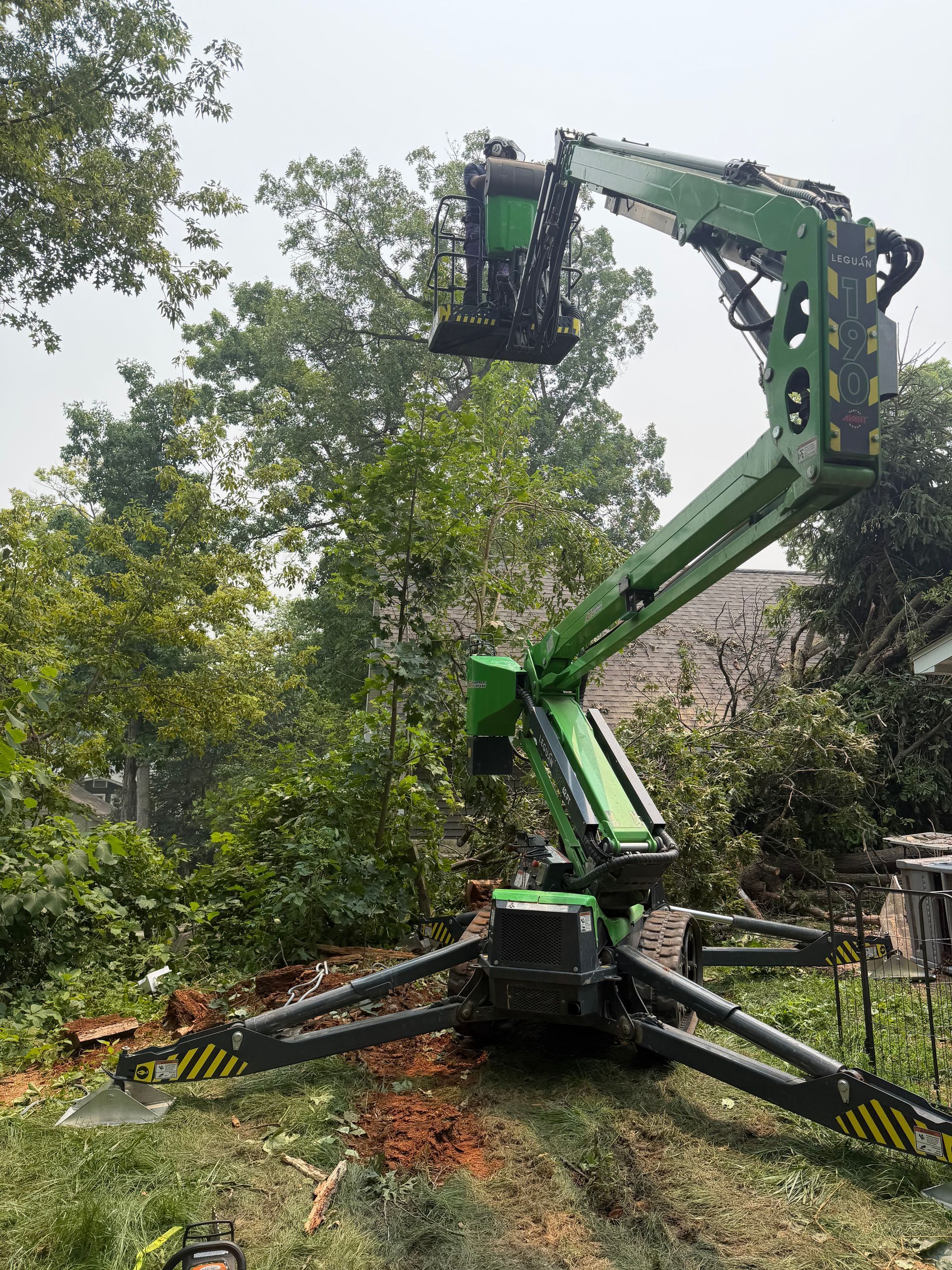
DGD Outdoor Services, LLC handles tree trimming for property owners in Howell and surrounding areas who need to manage growth before limbs cause damage or create safety concerns. You may notice branches scraping your roof during windstorms, crowding a power drop, or blocking sunlight from reaching your lawn or garden beds. The service involves selective removal of limbs to improve structure, reduce weight on weak unions, and open the canopy for better air and light movement.
The crew identifies which limbs to cut based on growth pattern, clearance needs, and long-term tree health. Cuts are made at the branch collar to promote proper healing and prevent decay. Dead, crossing, or rubbing limbs are prioritized, followed by those extending too far over structures or into neighboring yards. All cut material is hauled away unless you want it chipped for mulch or left as firewood.
If your trees have not been maintained in several years or you are preparing for storm season, schedule a trimming consultation to review which areas need attention.
How Trimming Improves Safety and Structure
You will see a noticeable reduction in canopy density and improved clearance around structures, fences, and overhead lines. Limbs that once hung low over driveways or pressed against siding are removed cleanly, leaving the tree balanced and less prone to wind damage. DGD Outdoor Services, LLC works to maintain the tree's natural shape while addressing the specific concerns you have about access, visibility, or encroachment.
After trimming, sunlight reaches previously shaded areas, grass fills in more evenly, and you gain better sightlines across your property. Trees common to Southeast Michigan, including maples, oaks, and lindens, respond well to routine trimming and often show stronger growth in the following season. You may also notice fewer broken branches after storms since weight has been redistributed away from weak or overextended limbs.
Trimming does not include stump work, root pruning, or treatment for disease. If insects or decay are present, those issues should be addressed separately. The focus here is structural correction and clearance, not health intervention beyond what pruning naturally supports.
What Property Owners Ask About Trimming
Most questions center on timing, how much can be safely removed, and what happens to the debris.
What is the difference between trimming and topping?
Trimming removes select limbs to improve structure and clearance, while topping cuts the main leader or large sections indiscriminately. Topping weakens trees and is not part of this service.
How often should trees be trimmed on a residential property?
Most trees benefit from trimming every three to five years depending on species, growth rate, and proximity to structures. Fast-growing trees like silver maples may need attention more frequently.
When is the best season for trimming in Howell?
Late fall through early spring is ideal for most species since trees are dormant and visibility is better without foliage. Oaks should be trimmed outside of April through July to reduce the risk of oak wilt transmission.
What tools are used to trim larger limbs safely?
Hand saws, pole saws, and chainsaws are standard depending on limb diameter and height. Ropes and rigging are used when lowering limbs over structures or tight spaces.
Why are some cuts made farther back than others?
Cuts are positioned based on branch collar location and the tree's natural growth pattern. Cutting too close or too far from the trunk can slow healing or encourage decay.
For ongoing maintenance or a one-time correction, reach out to DGD Outdoor Services, LLC to walk your property and identify which trees need work and what results you can expect.